Reimagining
Museum Experiences

Historia is an AI-powered, gamified museum platform that transforms passive museum visits into interactive cultural adventures. Using image recognition, AR overlays, scavenger hunts, badges, and multilingual narration, Historia creates an engaging bridge between physical heritage spaces and modern digital experiences.

The Problem & Solution

Traditional museum experiences often lack interaction, personalization, and long-term engagement. Existing audio guides and static applications provide limited educational value and fail to create memorable experiences for visitors. Historia addresses this challenge through a full-stack platform combining AI-powered artifact recognition, gamification systems, AR experiences, and social gameplay mechanics.

📄 Open PDF Poster

Core Features

Historia combines machine learning, mobile development, geolocation systems, and gamification mechanics to create a production-ready cultural heritage platform.

📷

AI Artifact Recognition

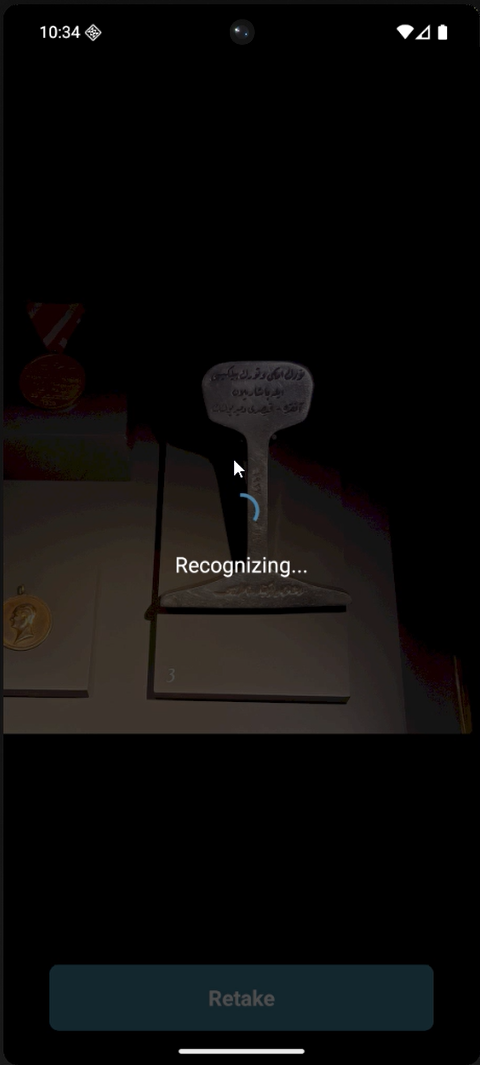
Uses a dual-pipeline recognition system with custom TFLite object detection models and Google Gemini Vision AI fallback support for intelligent artifact analysis.

🎮

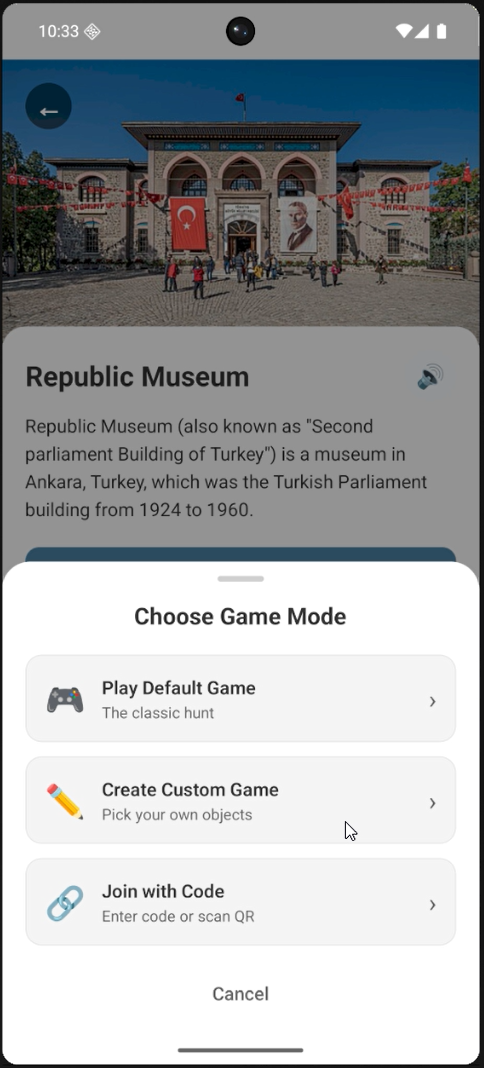
Gamified Scavenger Hunts

Visitors scan real museum artifacts, complete objectives, unlock achievements, and compete using score-based gameplay systems.

🧠

Knowledge Quizzes

Educational fill-in-the-blank quizzes reinforce learning after artifact discovery and reward users with additional experience points.

🗺️

GPS Museum Discovery

Integrated PostGIS spatial queries allow users to discover nearby museums through interactive map interfaces.

🏆

Badge & Achievement System

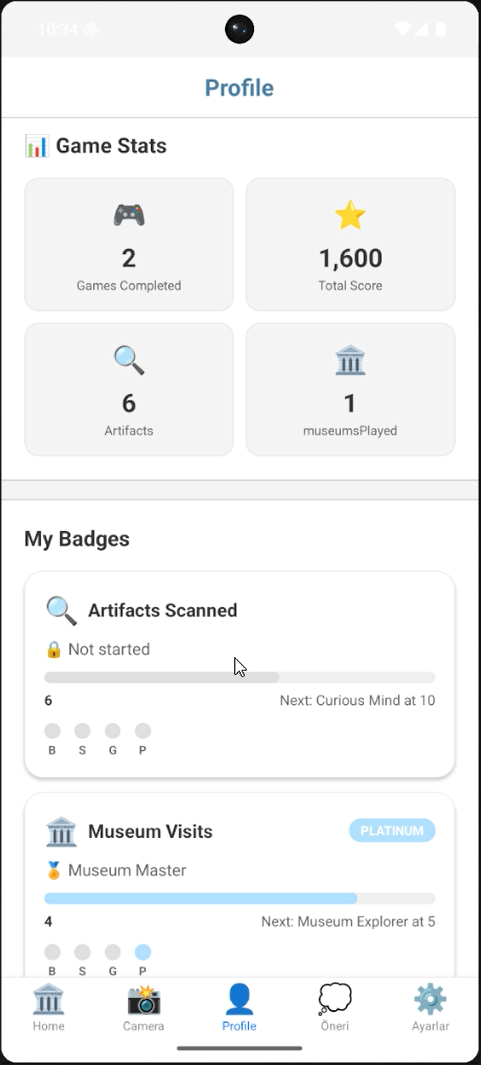
Multi-tier milestone badges encourage long-term engagement through museum visits, artifact scanning, and game completion progress.

🕶️

AR Scan Mode

A cyberpunk-inspired augmented reality scanning interface overlays live recognition data directly onto the mobile camera stream.

Mobile Application Screens

The mobile application was developed using React Native and Expo with a modern UI architecture, bottom-tab navigation system, real-time camera integration, and responsive interaction flows.
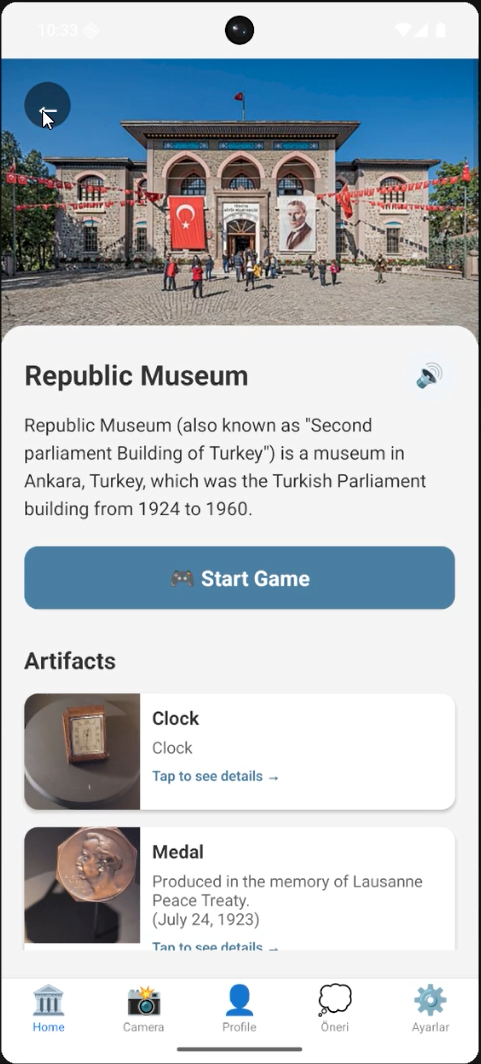
Discovery Screen
Museum Discovery
AI Camera
AI Camera Scanner
Hunt Mode
Gamified Hunt Mode
Profile
Profile & Badges

System Architecture

Historia follows a microservice-based full-stack architecture consisting of a React Native mobile application, a Rust Axum REST backend, a Python FastAPI vision service, and a PostgreSQL database.

📱 Mobile App (React Native + Expo)

User Interface, AR Camera, Geolocation, and Real-time Interactions

REST API Requests

⚙️ Rust Backend (Axum)

Authentication, Game Services, Spatial Queries & Museum CRUD

Read / Write

🗄️ PostgreSQL + PostGIS Database

Relational Data Storage, User Profiles, Badges & Geographical Data

Image Data Forwarding

👁️ Python Vision Service (FastAPI)

Custom TFLite Object Detection & Artifact Classification Pipelines

Fallback Recognition

☁️ Google Gemini Vision API

Cloud-based Intelligent Analysis for complex or unrecognized artifacts

Technology Stack

The project integrates modern mobile, backend, AI, and infrastructure technologies to build a scalable and high-performance platform.

Mobile Development

  • React Native
  • Expo
  • React Navigation
  • Expo Camera
  • Expo Speech

Backend Systems

  • Rust (Axum)
  • Tokio
  • SQLx ORM
  • Argon2 Authentication

Machine Learning

  • TensorFlow Lite
  • FastAPI
  • Google Gemini API
  • NumPy & Pillow

Infrastructure

  • Docker Compose
  • PostgreSQL 16
  • PostGIS
  • Next.js Admin Panel